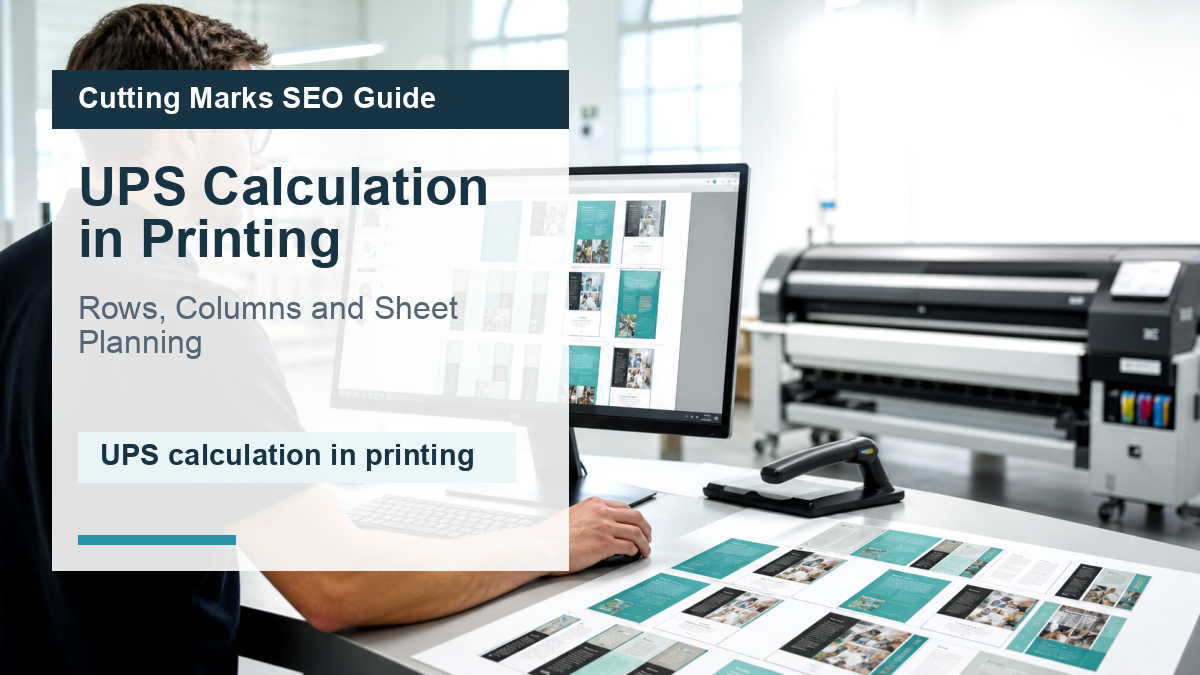


imposition software Delhi helps Delhi print teams handle practical digital production work: business cards, flyers, catalog pages, labels, booklets, short-run marketing jobs, and repeat PDF layouts. In Delhi NCR, speed matters, but clean output matters equally because poor bleed, wrong gutters, and weak duplex alignment can waste sheets quickly.
For a practical print shop workflow, imposition software should help the operator upload a PDF, set finished size, calculate UPS, add bleed/crop marks, preview front and back alignment, and export a print-ready PDF without rebuilding the job from scratch.
Why Delhi printers need digital print imposition software
Delhi NCR print businesses often work with quick customer approvals, small batches, mixed paper sizes, and fast delivery expectations. Manual layout can become risky when the same operator handles multiple sizes, duplex jobs, and repeat orders in one day.
A structured imposition workflow makes production more predictable. It turns sheet planning into a repeatable process instead of a manual design task, helping teams reduce setup time and keep job dimensions consistent.
Important workflow checks
- Finished size: calculate rows and columns from the trim size, not the visual artwork size.
- Bleed: preserve supplied bleed and avoid cutting into live content.
- Margins and gutters: leave practical cutting and handling space.
- Duplex alignment: verify front/back position before a full production run.
- Vector PDF output: keep vector artwork vector whenever the uploaded source supports it.
Production example
A Delhi printer preparing business cards on SRA3 or 13 x 19 in sheets can enter the card size, margin, gap, bleed, and required copies. The software can calculate the layout, show how many ups fit, and help the operator confirm whether the result is production-ready.
For booklet and brochure jobs, the workflow may also include page order, fold direction, blank page handling, creep, cover setup, spine allowance, and trim marks. These checks are difficult to manage consistently if every job is manually rebuilt.
How Cutting Marks supports Delhi NCR print workflows
Cutting Marks is built around PDF-first imposition for digital printing. It helps print teams plan sheets, preview imposed layouts, add marks, and prepare output for production.
Related guides: PDF imposition software, business card imposition, and UPS calculation in printing.
Common mistakes to avoid
- Using the wrong unit or sheet size during setup.
- Ignoring bleed when calculating UPS.
- Checking only the front side of a duplex job.
- Rasterizing text-heavy PDF artwork unnecessarily.
- Leaving too little margin for cutting and finishing.
FAQ
Is imposition software useful for digital printers?
Yes. Digital printers use it for short-run cards, flyers, brochures, labels, booklets, and repeat customer jobs.
Does it replace design software?
No. Design software creates artwork. Imposition software arranges approved artwork for efficient print production.
Why is PDF output important?
PDF output keeps print workflows predictable and helps preserve text, logos, barcodes, and line art when the source is vector PDF.
Conclusion
imposition software Delhi should help Delhi printers move faster while keeping layout, bleed, crop marks, and PDF output reliable. Cutting Marks gives print teams a focused workflow for practical imposition and sheet planning.
How Digital Print Imposition Software for Print Shops in Delhi fits real print work in Delhi
For Delhi print shops, imposition software is useful only when it reduces daily prepress decisions. The important part is not just placing artwork on a sheet; it is keeping bleed, margins, gutters, trim marks, rotation, and PDF export predictable across many small jobs.
A practical imposition software Delhi workflow should help operators prepare retail print, corporate stationery, coupon sheets, packaging inserts, and presentation material. It should also support repeat customer jobs that need saved layout settings and predictable PDF output and digital press work where every millimetre of margin and white space affects paper yield. These are the production situations where manual PDF editing can slow down quoting, proofing, and press setup.
Recommended Delhi prepress checklist
- Confirm the finished artwork size before choosing the sheet size.
- Check whether the customer file already includes bleed or needs bleed added to the final job size.
- Use saved gap, margin, and mark settings for repeat jobs so each output matches the previous run.
- Preview the full imposed sheet before export, especially when gangup jobs combine different artwork.
- Export a vector PDF when the job needs sharp marks, text, QR codes, or fine line artwork.
What to compare before choosing imposition software in Delhi
Printers in local should compare three things: setup time per job, how clearly the preview matches the exported PDF, and whether the final PDF remains easy to inspect in Acrobat before printing. If any of these steps are unclear, operators may still fall back to manual layouts.
CuttingMarks is designed around those checks: upload artwork, set sheet and job size, choose gap and margin, preview the imposed sheet, and export the print-ready PDF. This gives Delhi teams a repeatable path for short-run digital production without rebuilding layouts from scratch.
Delhi FAQ
Can imposition software reduce paper waste?
Yes. Better n-up planning shows how many pieces fit on the chosen sheet before printing, which helps avoid oversized margins and missed repeat opportunities.
Should a print shop use manual layout or automatic imposition?
Manual layout is fine for one-off artwork checks, but automatic imposition is better for repeat work because the same sheet settings can be reused with fewer operator decisions.
Why do bleed and trim marks matter for Delhi print jobs?
They protect the finished size after cutting. Consistent bleed and trim marks make finishing easier and reduce the risk of visible white edges or uneven cuts.